August 17, 2026
Cutting through concrete or asphalt requires precision, proper equipment, and a clear understanding of the surrounding structure. Even small mistakes during this process can lead to costly repairs, project delays, or safety hazards. Understanding common errors ahead of time helps property owners and contractors avoid unnecessary setbacks. The following sections explain frequent mistakes to avoid when planning any pavement cutting project. Taking time to review these mistakes now can help prevent costly problems later. Whether the work involves a small residential driveway or a large-scale roadway repair, the same core principles apply. Planning carefully, hiring experienced crews, and using the right equipment all play a role in avoiding these common pitfalls. Recognizing these issues before a project begins ultimately protects both the finished work and everyone involved.
1. Skipping A Proper Site Assessment
Failing to assess a site thoroughly before starting work often leads to unexpected complications during pavement cutting. A proper assessment identifies existing utility lines, structural concerns, and other factors that affect the cutting process. Skipping this step increases the risk of damaging important infrastructure hidden beneath the surface. Taking time upfront to evaluate the site helps ensure the entire project proceeds smoothly and safely. A thorough assessment often prevents costly surprises once cutting has already begun. Crews who plan carefully tend to complete projects with far fewer complications overall.
2. Underestimating The Weight Of Concrete
According to HomeGuide, one cubic yard of concrete weighs the equivalent of 2 short tons. This significant weight means asphalt cutting requires equipment and techniques capable of handling extremely heavy material safely. Underestimating this weight can lead to equipment strain, structural damage, or serious safety concerns on the job site. Understanding the true weight involved helps crews plan appropriately for equipment, staffing, and overall project logistics. Miscalculating this factor can also slow down an entire project unexpectedly. Proper planning around material weight helps keep every stage of the job on schedule.
3. Using The Wrong Equipment For The Job
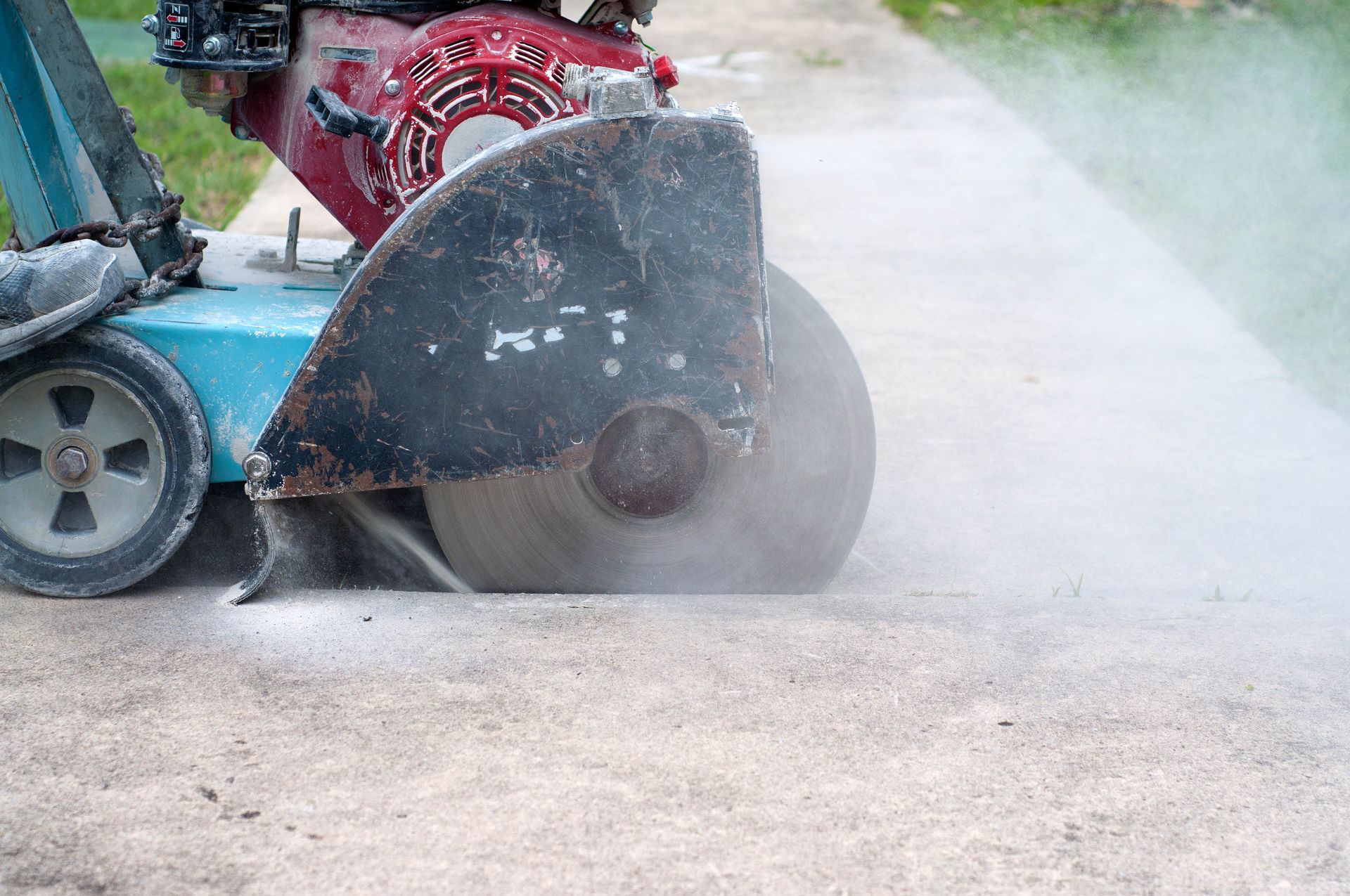
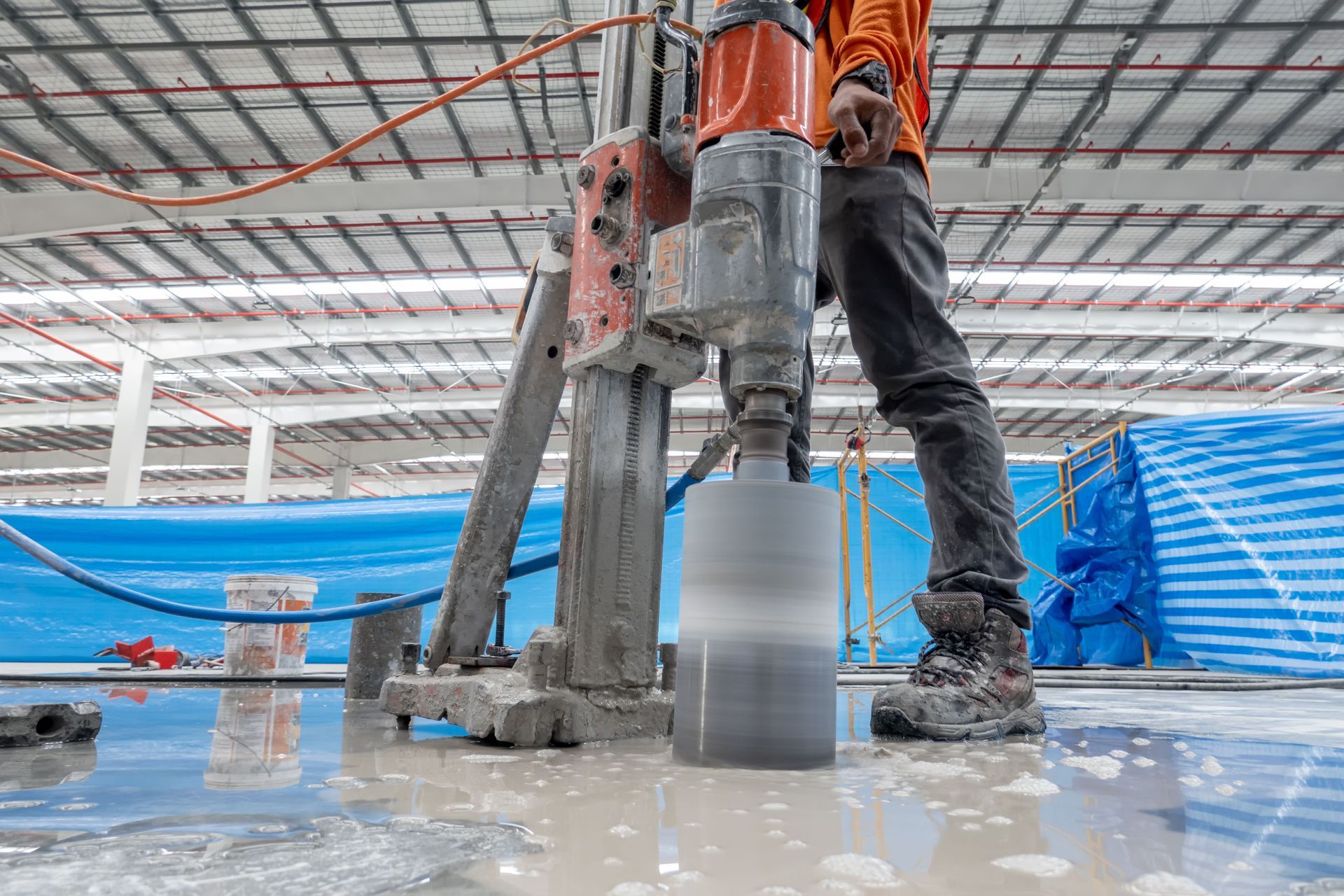
Not every cutting job requires the same tools, and using incorrect equipment often leads to poor results. Effective pavement cutting depends on selecting the right saw, blade, or coring equipment for each specific material and depth. Using the wrong equipment can result in uneven cuts, damaged surfaces, or unnecessary delays during the project. Choosing properly matched equipment from the start helps ensure clean, precise, and efficient results. The right tools also help reduce wear and tear on both materials and machinery. Selecting proper equipment from the beginning often saves both time and money.
4. Ignoring Utility Line Locations
Cutting into pavement without confirming utility line locations can lead to dangerous and costly consequences. Careful planning before asphalt cutting helps avoid accidentally striking electrical lines, gas lines, or plumbing systems below the surface. This kind of oversight can result in expensive repairs, project delays, or serious safety hazards for the crew. Confirming utility locations in advance protects both workers and the surrounding infrastructure throughout the project. This precaution is one of the simplest ways to prevent a truly serious accident. Taking this extra step early on protects the entire surrounding community as well.
5. Cutting Without Proper Depth Control
Cutting too deep or too shallow can compromise the structural integrity of the surrounding pavement or foundation. Controlled, precise pavement cutting ensures cuts reach the intended depth without causing unnecessary damage to nearby materials. Poor depth control often results in cracking, instability, or the need for costly corrective work later. Maintaining consistent depth throughout the project helps protect the overall integrity of the surrounding structure. Precise depth control also helps ensure the finished cut meets exact project specifications. Skilled technicians rely on careful measurement to avoid this common and costly mistake.
6. Overlooking Dust And Vibration Management
Excessive dust and vibration during cutting can create safety hazards and damage nearby structures if left unmanaged. Properly executed, this type of work uses specialized equipment designed to reduce both dust and vibration levels. Ignoring these factors can lead to health hazards for workers and potential damage to surrounding property. Managing dust and vibration effectively protects both the job site and everyone working within it. This attention to detail also helps protect nearby buildings from unnecessary structural stress. Responsible crews prioritize these precautions throughout every stage of the project.
7. Attempting The Work Without Proper Experience
Cutting pavement without sufficient training or experience often leads to mistakes that compromise safety and quality. Experienced crews understand how to approach pavement cutting safely while accounting for material type, depth, and surrounding conditions. Inexperienced attempts can result in uneven cuts, equipment misuse, or dangerous situations on the job site. Relying on trained professionals helps ensure the work is completed correctly the very first time. Years of hands-on experience help crews anticipate challenges before they become serious problems. This expertise ultimately saves both time and unnecessary expense throughout the project.
8. Neglecting To Coordinate With Other Contractors
Asphalt cutting projects often overlap with other construction work happening on the same site at once. Poor communication between contractors can lead to scheduling conflicts, duplicated effort, or accidental damage to finished sections. Coordinating asphalt cutting closely with other trades helps ensure every phase of the project moves forward smoothly. Clear communication from the start helps prevent costly delays and misunderstandings between different teams involved. This kind of coordination becomes especially important on larger, multi-phase construction projects. Working closely with other contractors ultimately helps keep the entire project on schedule.
9. Failing To Get A Same-Day Quote First
Moving forward without a clear understanding of project costs often leads to budgeting problems later in the process. Requesting a same-day quote before beginning pavement cutting helps property owners plan accurately for the entire project. Skipping this step can result in unexpected expenses or miscommunication about the scope of work involved. Getting a clear estimate upfront helps avoid confusion and keeps the project moving forward smoothly. This transparency also helps property owners compare options confidently before making a final decision. Clear pricing from the start builds trust between contractors and their clients.
10. Choosing An Uncertified Or Unproven Provider
Hiring an inexperienced or unverified contractor can lead to poor results and unnecessary safety risks. Working with a certified, experienced provider ensures pavement cutting is completed according to established industry standards and best practices. Choosing an unproven provider often results in inconsistent quality and a higher likelihood of costly mistakes. Selecting a trusted, credentialed company protects both the project outcome and the safety of everyone involved. Certifications and strong reputations often reflect years of consistent, reliable performance. Choosing wisely from the start helps avoid costly mistakes further down the road.
Avoiding these common mistakes helps ensure any concrete or asphalt project proceeds safely, efficiently, and within budget. From proper planning to choosing experienced professionals, careful preparation makes a meaningful difference in the final result. A project that starts with a clear plan, the right equipment, and open communication between every team involved is far more likely to finish on time and within budget. Taking these lessons seriously now can save significant time, money, and stress on future projects. Whether you are managing a small residential job or a large commercial project, avoiding these pitfalls leads to better results. Concrete Coring Company proudly serves the Dayton and Columbus, OH areas with reliable, professional cutting services. For more information, contact us today!