November 4, 2026
Commercial renovations often require changes to concrete surfaces to accommodate new plumbing lines, electrical conduits, drainage systems, or other building infrastructure. When these improvements involve occupied buildings, contractors must balance efficient construction with the safety and convenience of employees, tenants, customers, and visitors. Pavement cutting provides a controlled way to create openings and trenches in existing concrete while limiting unnecessary damage to surrounding areas. Experienced concrete companies understand the importance of planning each cut carefully, especially when businesses must remain operational throughout the renovation. By coordinating schedules, managing dust and noise, and maintaining safe access routes, project teams can reduce the impact of construction. A well-organized approach also helps prevent avoidable delays and costly repairs. Understanding the key steps involved makes it easier for property managers to prepare for renovation work.
Planning Cutting Work Around Building Operations
Successful pavement cutting begins with understanding how the building operates throughout the day. Contractors should identify busy entrances, delivery schedules, employee shifts, customer traffic, and areas that cannot be closed for extended periods. Before work begins, concrete companies can coordinate with property managers to determine which sections need cutting and when those activities will cause the least disruption. A detailed site assessment also helps identify underground utilities, existing joints, drainage features, and potential obstacles. Marking the cutting area clearly allows workers to follow the intended layout and avoid unnecessary damage. Managers should notify occupants about temporary closures, expected noise, and alternate access routes. Scheduling disruptive tasks during evenings, weekends, or other quieter periods may help maintain normal business activities. Careful planning gives everyone a clearer understanding of the project and its operational requirements.
Selecting Suitable Cutting Methods for Concrete
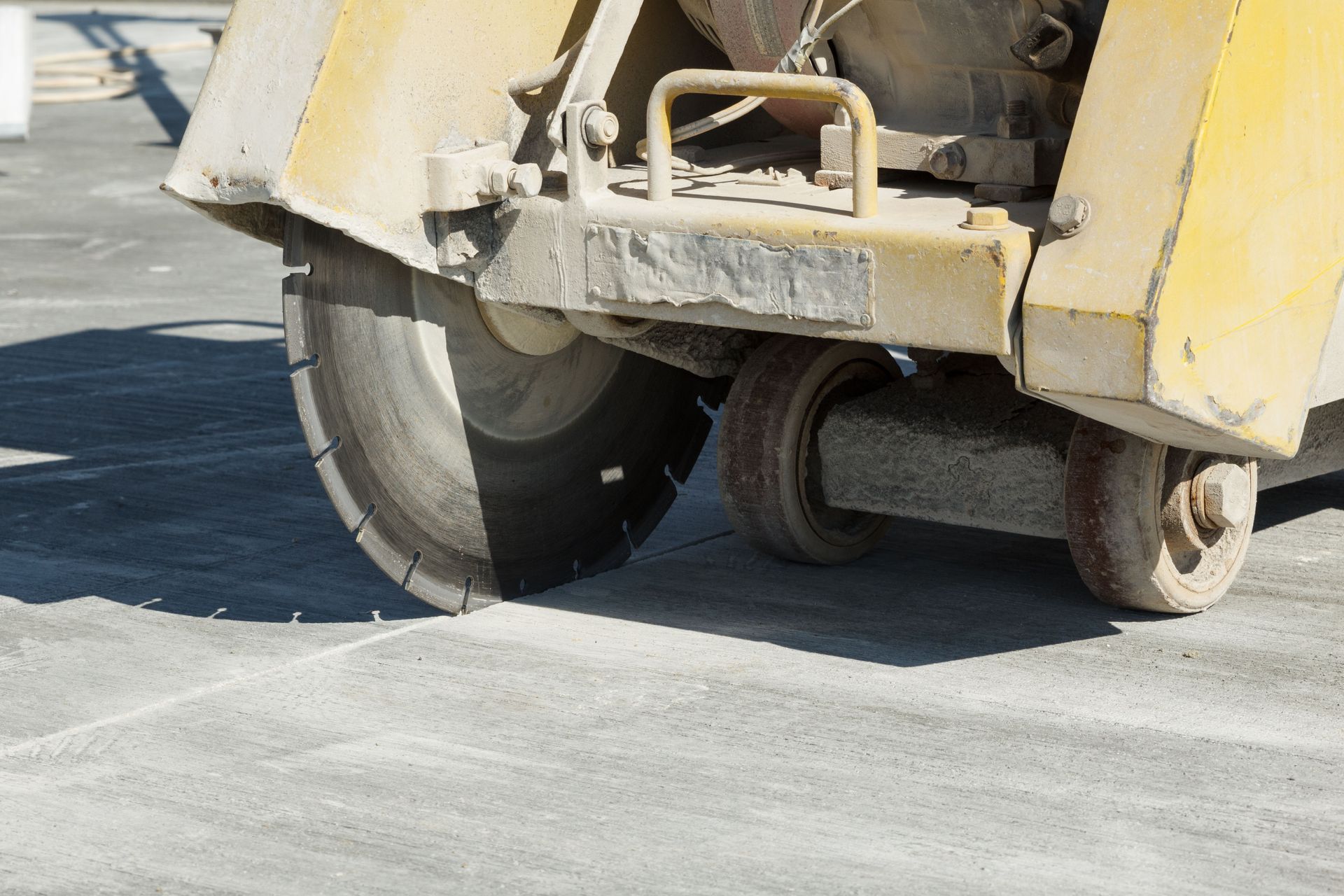
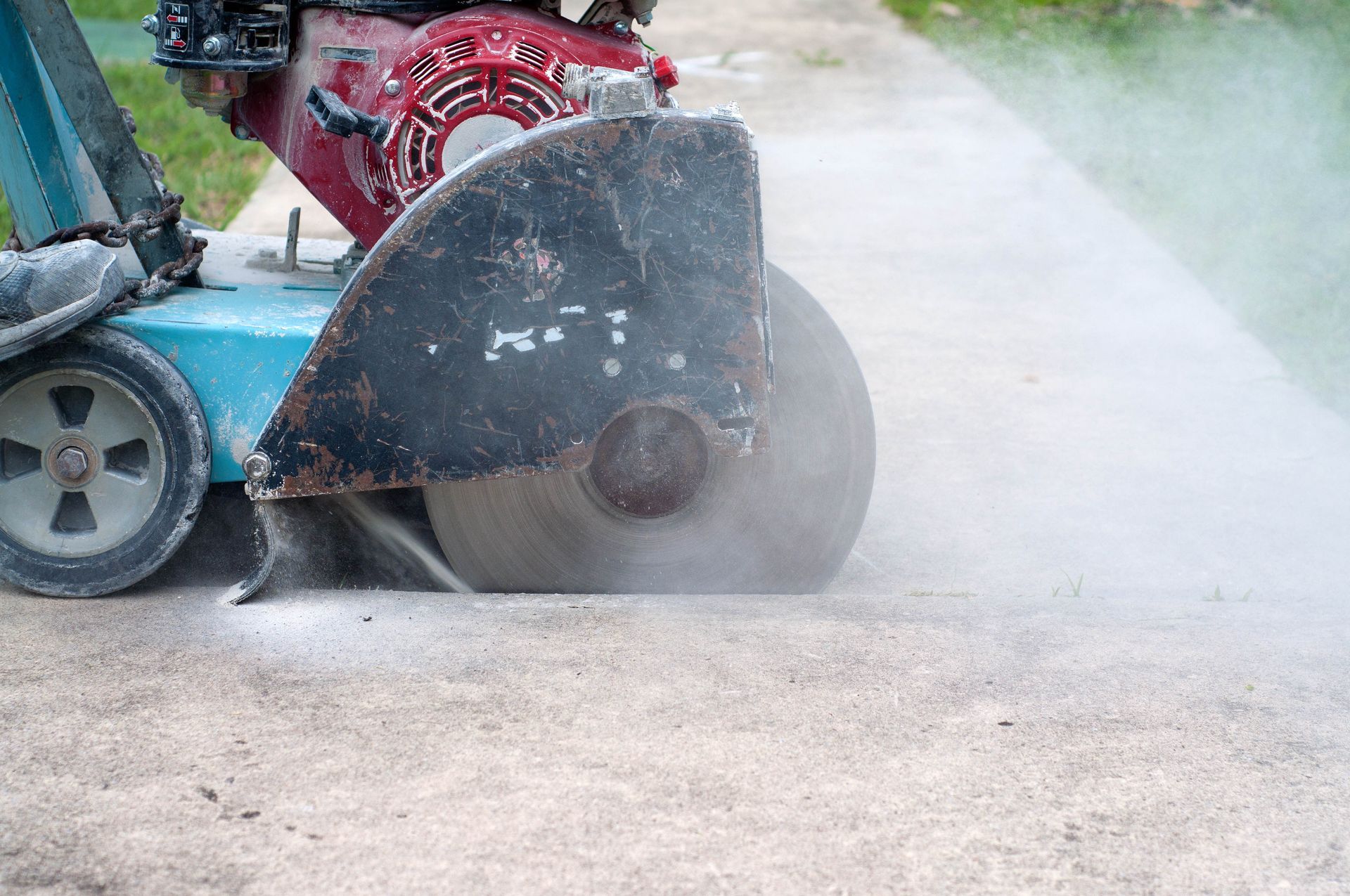
Different renovation projects require different cutting techniques, depending on pavement thickness, reinforcement, access limitations, and the size of the opening. Saw cutting is commonly used to create straight, controlled lines in concrete slabs, sidewalks, parking areas, and loading zones. Experienced concrete companies can evaluate whether a walk-behind saw, handheld saw, or another specialized tool is appropriate for the job. Diamond blades are often used because they can cut through hard concrete with precision when matched to the material and equipment. The selected method should account for the required depth and the presence of embedded reinforcement. Contractors must also consider nearby walls, sensitive equipment, and other structures that could be affected by vibration. Choosing appropriate equipment helps limit unnecessary damage and produces cleaner cut edges. A suitable cutting method supports efficient progress while preparing the surface for the planned renovation.
Controlling Dust, Noise, and Construction Debris
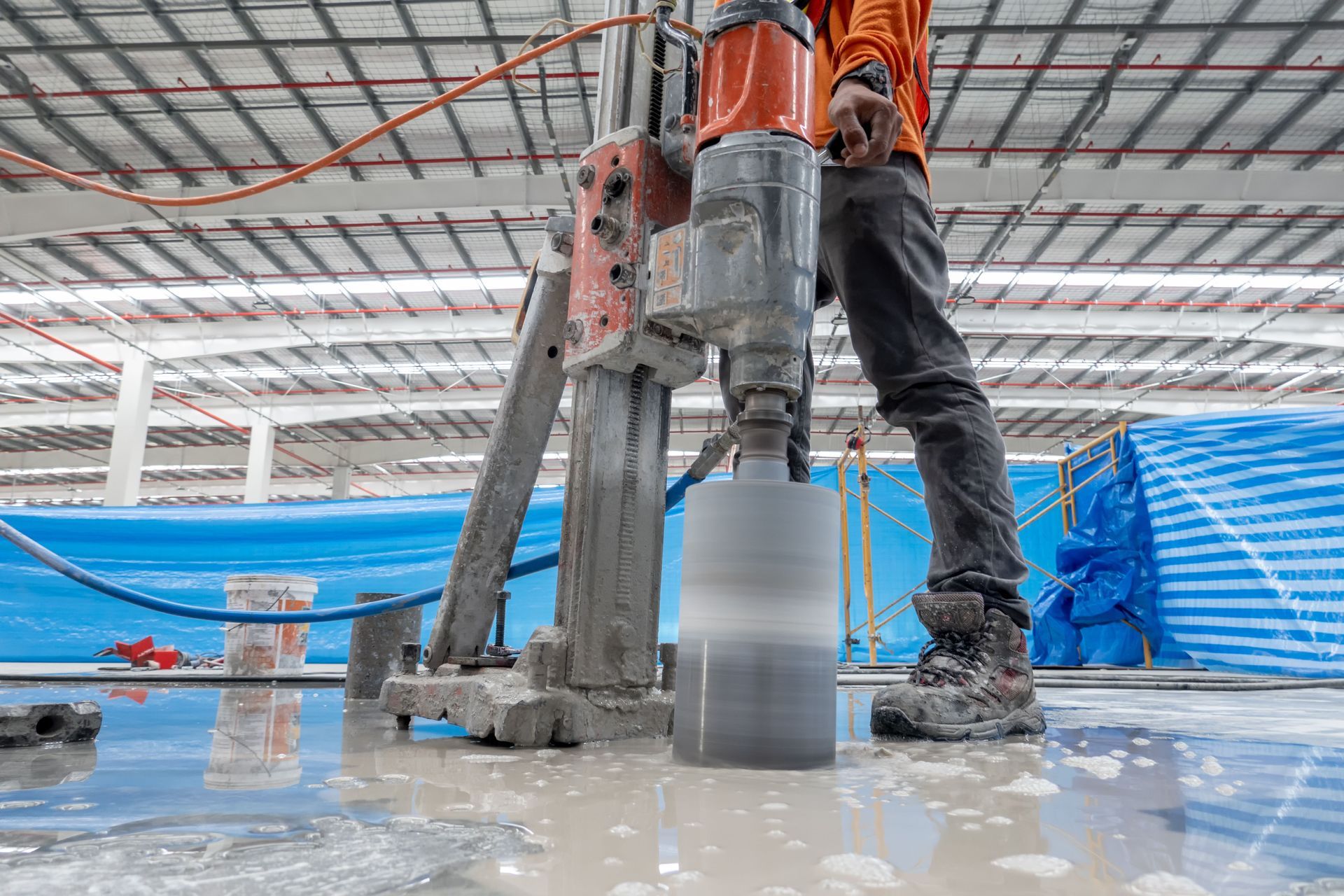
Pavement cutting can produce airborne particles, loud noise, slurry, and debris that affect people working nearby. These concerns are especially important in occupied commercial buildings, where employees and customers may need to remain on-site. Responsible concrete companies use suitable dust-control methods, barriers, and personal protective equipment to reduce exposure during cutting operations. Wet cutting can help suppress airborne dust, although it requires careful management of water and concrete slurry. Contractors should prevent slurry from entering storm drains, landscaped areas, or spaces where it could create a slipping hazard. Temporary barriers and clear warning signs help separate work zones from pedestrian routes. Debris should be collected and removed regularly to prevent obstructions from accumulating around entrances or emergency exits. Consistent housekeeping helps maintain a safer environment while keeping the renovation area organized.
Protecting Occupants and Maintaining Safe Access
Keeping people safe is a central priority when renovation work takes place around active commercial operations. Work zones should be clearly marked, and unauthorized individuals should not be allowed near cutting equipment or exposed trenches. Contractors and building managers should establish alternate routes that remain accessible to employees, customers, delivery personnel, and emergency responders. When concrete companies cut pavement near entrances or walkways, they should coordinate temporary closures and provide clear directions before the work begins. Barriers must remain stable and visible throughout the project, including during breaks and after working hours. Open cuts and excavated areas should be protected against accidental falls and unauthorized entry. Managers should communicate any changes to access arrangements promptly so occupants can adjust their movements. These precautions help renovations proceed without creating unnecessary risks for people using the building.
Managing Weather and Concrete Cutting Conditions
Weather conditions can influence cutting schedules, equipment performance, worker safety, and the condition of surrounding surfaces. Rain may complicate slurry collection, reduce visibility, and create slippery walking areas, while extreme heat can increase the risk of heat stress for workers. According to Bob Vila, concrete exposed to temperatures above 90 degrees Fahrenheit may stiffen too rapidly and experience flash setting, which can affect how the material behaves. Contractors should therefore consider temperature, sun exposure, and site conditions when planning concrete-related work. Although pavement cutting involves existing hardened concrete, the broader renovation may include placing new concrete to restore removed sections. Those restoration activities require appropriate attention to weather and curing conditions. Work plans should include suitable protective measures and adjustments when conditions become unfavorable. Monitoring the environment helps teams maintain safe working practices and achieve better results during repairs.
Coordinating Utility Work and Surface Restoration
Pavement cutting often forms one stage of a larger renovation involving underground services or building infrastructure. Once the concrete has been cut and removed, crews may need to install pipes, electrical conduits, drainage components, or other systems before restoring the surface. Qualified concrete companies should coordinate cutting activities with the contractors responsible for excavation, utility installation, inspections, and backfilling. This coordination helps ensure that openings are the correct size and located where the project requires them. Before restoration begins, the underlying area should be prepared according to the project's specifications. Replacement concrete must be placed and finished appropriately for the intended use, whether the surface supports vehicles, pedestrians, or equipment. Contractors should also consider curing time and any restrictions needed before reopening the area. Clear communication between trades reduces scheduling conflicts and helps avoid reopening finished pavement for overlooked work.
Reducing Delays Through Efficient Project Scheduling
Commercial renovation schedules must account for more than the time required to make each cut. Equipment setup, utility locating, site protection, material removal, inspections, and restoration can all affect the overall timeline. Experienced concrete companies can help property managers understand these stages and identify opportunities to coordinate related tasks. Dividing the work into manageable sections may allow portions of a parking lot, walkway, or service area to remain available while another section is under construction. Advance coordination with other trades also helps reduce downtime caused by crews waiting for access or completed work. Managers should establish realistic milestones and maintain communication when conditions require adjustments. Contingency time can help accommodate unexpected underground obstructions or changes in project requirements. A practical schedule supports continuity for building occupants while allowing contractors to complete the renovation efficiently.
Maintaining Quality Through Professional Workmanship
The quality of pavement cutting affects the appearance, functionality, and durability of the finished renovation. Accurate measurements and controlled cuts help create clean boundaries for removing concrete and preparing the area for repairs. Property managers should select concrete companies that understand the requirements of occupied commercial sites and can explain their approach to safety, equipment, and restoration. Before authorizing work, they should clarify the project scope, site protection measures, anticipated disruptions, and responsibilities for cleanup. Contractors should inspect completed work to identify uneven surfaces, damaged edges, or other issues that could affect safe use. The restored pavement should meet the project's requirements for stability, drainage, and intended traffic. Clear documentation can also help building owners track completed improvements and address future maintenance needs. Professional workmanship provides a more dependable foundation for ongoing building operations.
Commercial pavement cutting requires careful coordination, suitable equipment, and attention to the people who use the property every day. By planning work schedules, controlling dust and debris, protecting access routes, and coordinating restoration, property managers can reduce avoidable disruption during renovations. Concrete Coring Company can help businesses approach pavement cutting projects with a focus on precision, safety, and efficient execution. Contact us to discuss your commercial renovation requirements and arrange a cutting solution suited to your site and operational needs.